Nanjixiong introduction
Selling a printer is only the beginning; materials provide recurring business. When their upstream inputs repeatedly increase in price, cost dynamics across the chain change.
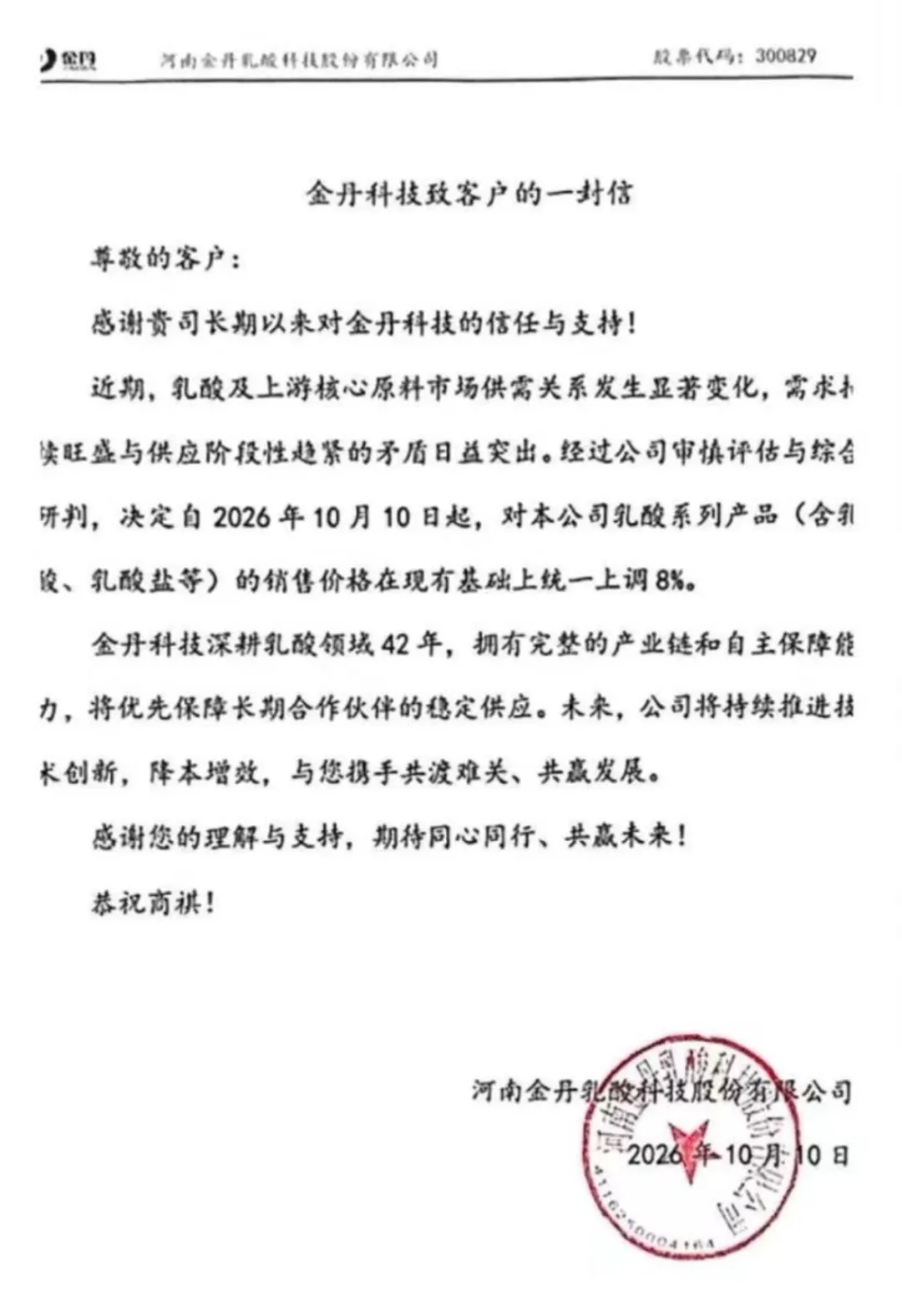
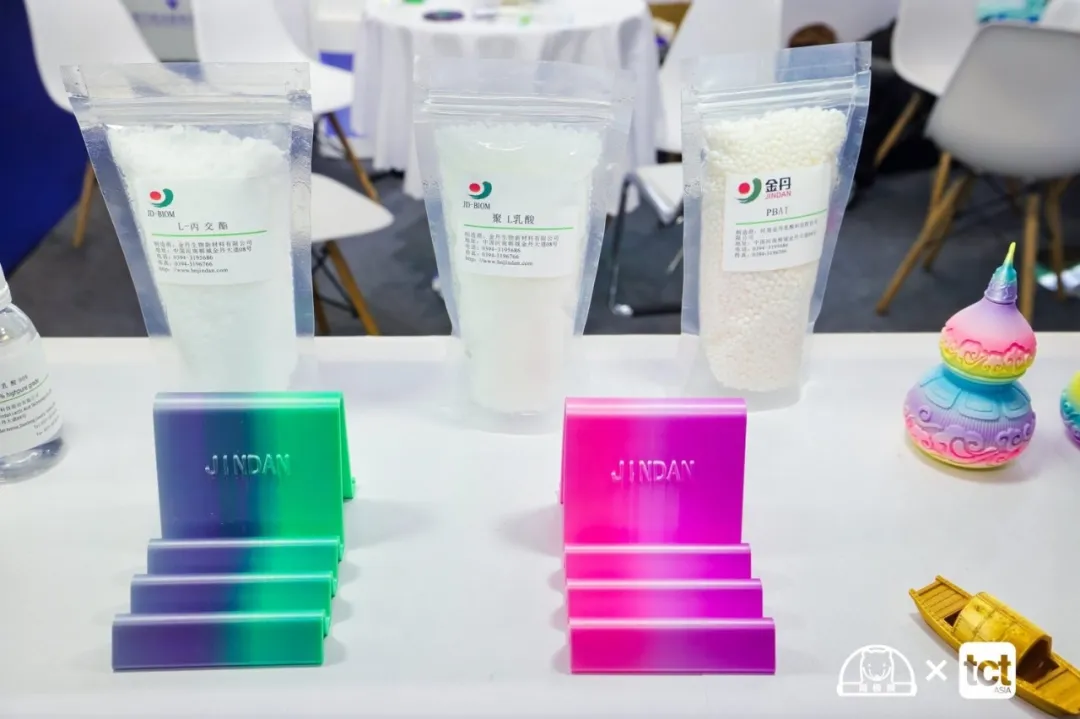
On October 10, 2026, Nanjixiong saw a customer letter attributed to Henan Jindan Lactic Acid Technology Co., Ltd. It announced an 8% increase across lactic acid products, effective October 10. This was its third increase of the year, after RMB 500 per tonne adjustments on March 11 and July 20.
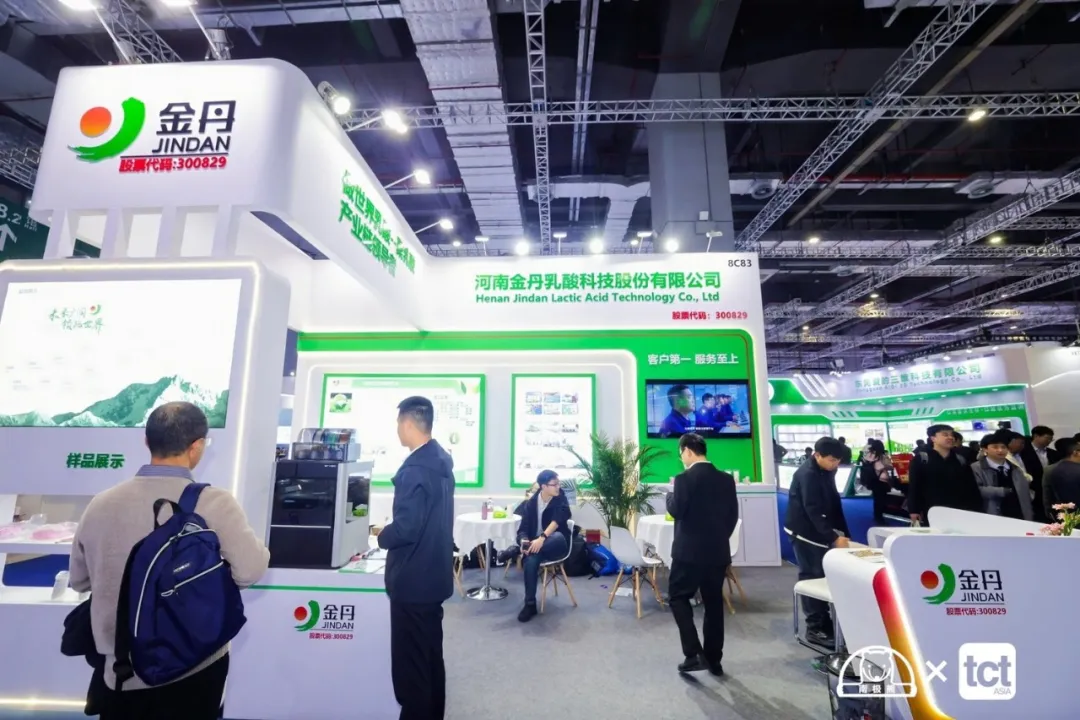
Jindan at TCT Shanghai 2026.
Two drivers: rising costs and growing demand
The letter described significant changes in supply and demand for lactic acid and key inputs, with strong demand and temporarily tighter supply. Nanjixiong identifies two main drivers.
First, higher input costs. Domestic sulfuric acid prices continued rising in the first half of 2026. Procurement prices increased 98.30% year on year, adding approximately RMB 22 million to Jindan's principal operating costs. Its first-half operating costs rose 17.11%, substantially faster than revenue growth of 6.31%. Overall gross margin fell from 25.18% to 17.58%.
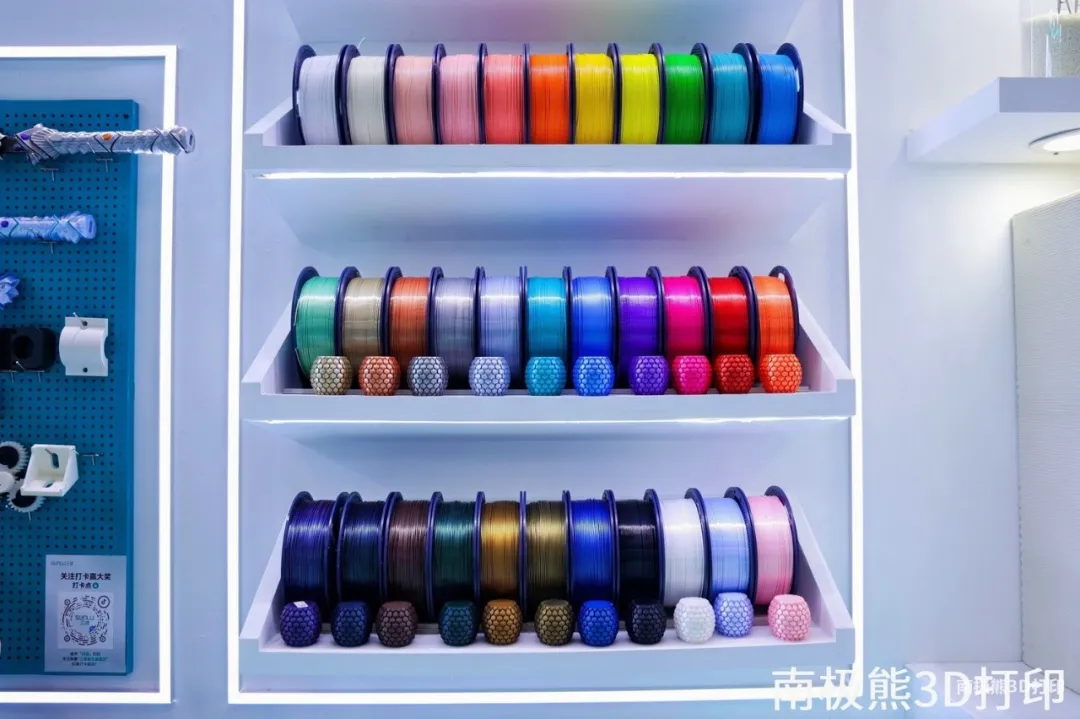
Various SUNLU printing filaments on display.
Second, structural demand growth. During a September 18 institutional investor discussion, Jindan explicitly said increased printing demand had lifted PLA demand and consequently lactic acid demand. National Bureau of Statistics data show domestic printer output grew 48.5% in the first half of 2026, increasing to 52% for January–July.
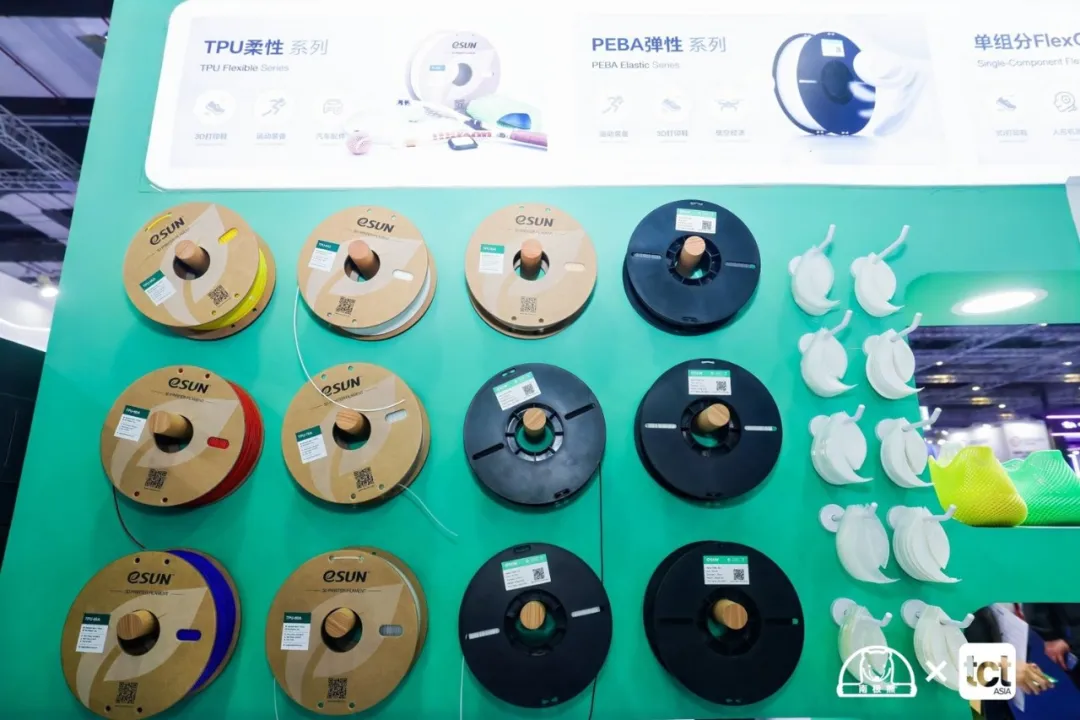
Various eSUN materials on display.
From sulfuric acid to PLA: a clear cost transmission chain
Lactic acid is a core PLA feedstock, and PLA is the most widely used consumer printing material. The transmission path is sulfur price increases → sulfuric acid price increases → higher lactic acid costs → higher PLA costs → pressure on printing material prices.
Nanjixiong previously reported two PLA price increases during 2026, driven by higher input costs and tighter supply. Earlier long-term contracts with fixed prices and relatively ample industry supply have delayed transmission into actual transaction prices. The original article also refers to an earlier report on printing materials stocks and collective PLA price increases.
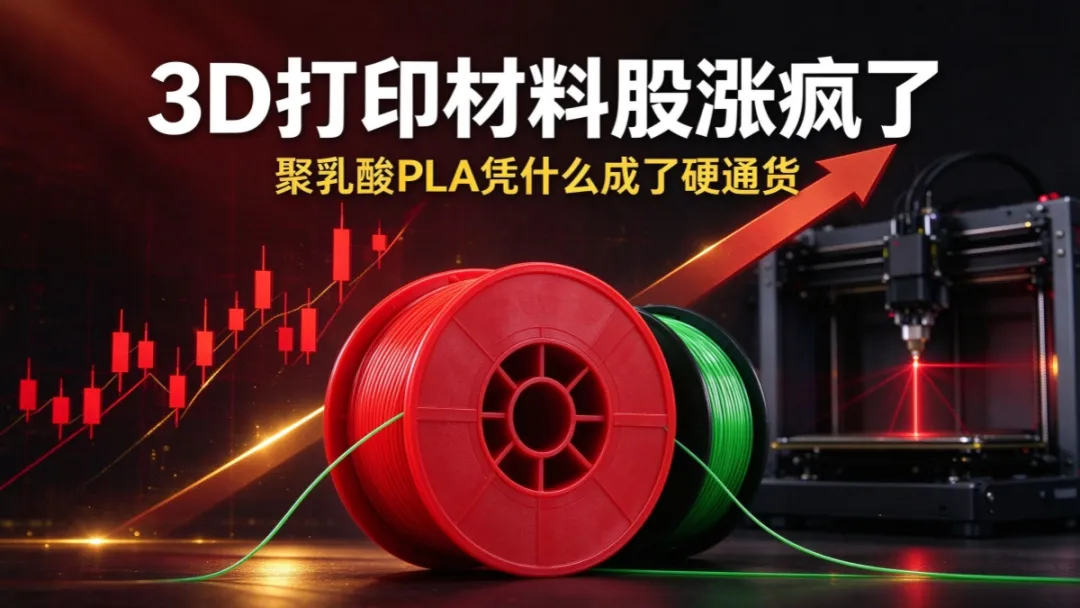
Capital markets have reflected interest in the chain. Jindan shares rose 82% in September, while Hisun Biomaterials rose 63%. Hisun's first-half 2026 net profit excluding non-recurring items increased 771.86% year on year. PLA sales to printing applications grew approximately 169%, and printing's contribution to company revenue rose from about 30% last year to approximately 49%.
Supply expansion is accelerating
Upstream companies are increasing capacity. Jindan's 75,000-tonne annual PLA project was completed on June 30, 2026, and entered commissioning. At Hisun subsidiary Haichuangda, the first 75,000-tonne line of a planned 150,000-tonne annual project has entered full production, bringing current total capacity to 125,000 tonnes per year.
Moving from commissioning to full output takes time. Jindan said its lactic acid lines are fully utilized. It will allocate market supply according to capacity, prioritizing strategic and long-term customers.
Nanjixiong's observation: near-term pressure, unchanged long-term drivers
Downstream users may experience gradual increases in PLA filament prices. From an industry perspective, the demand driving this cycle comes partly from printing itself: rapid consumer adoption is pushing upstream materials into another growth phase.
In the short term, sulfuric acid costs and tighter supply will continue supporting PLA prices. In the medium term, capacity releases including Jindan's 75,000 tonnes and Hisun's 125,000 tonnes could ease the imbalance. For filament suppliers and farm operators, monitoring lactic acid and PLA trends and planning purchasing schedules may be more useful than watching filament list prices alone.
AI-translated from an article by Xiaoruanxiong on Nanjixiong, originally published on 2026-10-12. Text and images retain the original source attribution.
Read the original Chinese article |


 Record number | ©2024 panda3dp Team. Powered by panda3dp