Introduction
A significant development is emerging in 3D printed pharmaceuticals.
On October 9, 2026, Nanjixiong learned that Triastek's Nanjing company and wholly owned Shanghai subsidiary had signed a collaboration and licensing agreement with Johnson & Johnson. Johnson & Johnson Innovation – JJDC also made an equity investment. The partners will combine Johnson & Johnson's drug development expertise with Triastek's pharmaceutical printing and oral delivery technologies for peptides and other medicines to develop new oral drugs. Janssen Pharmaceutica NV signed as the legal contracting entity for Johnson & Johnson.

Why did Johnson & Johnson choose Triastek?
Johnson & Johnson is one of the world's largest pharmaceutical companies. JJDC has invested in medical devices, pharmaceuticals and consumer health since 1973. Previous investments in digital manufacturing businesses such as Carbon mean it is familiar with additive manufacturing. The Triastek partnership is a significant move into the specific field of 3D printed oral medicines.
Nanjixiong identifies three reasons for Triastek's appeal.
First: a distinctive technology platform
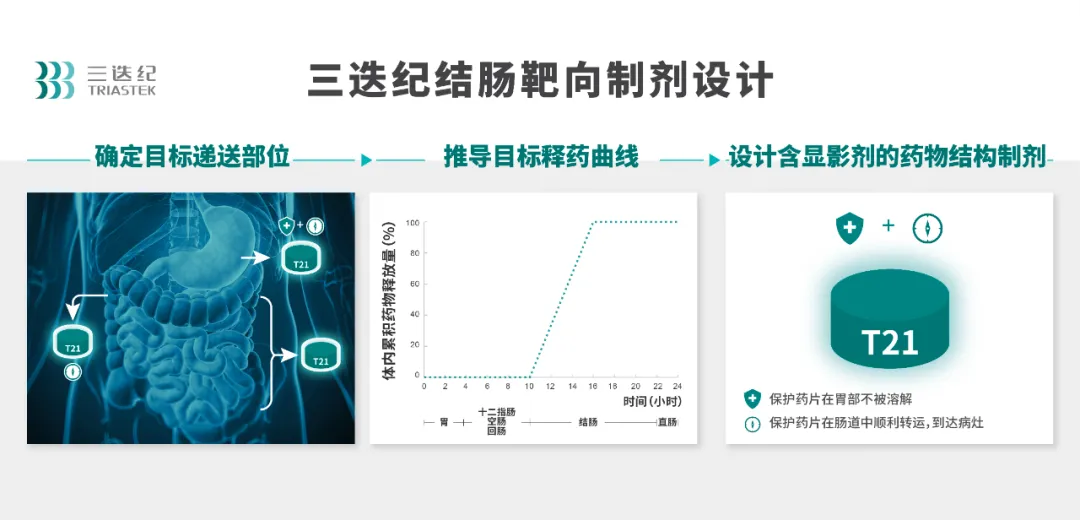
Triastek pioneered Melt Extrusion Deposition (MED) pharmaceutical printing and developed related processes such as MED&SSE, combining melt extrusion deposition and semi-solid extrusion. It has established five 3D microstructure delivery platforms for modified release, solubility enhancement, colon targeting, gastric retention and oral peptides. Its 3DμS-OM oral macromolecule delivery platform uses a dual-chamber structure to protect peptides against gastric degradation and control delivery and release at targeted gastrointestinal absorption sites. According to Triastek, the platform's low-temperature SSE process is particularly suitable for peptides and biological macromolecules because it helps maintain active ingredient stability.
Second: uncommon regulatory and industrial capabilities
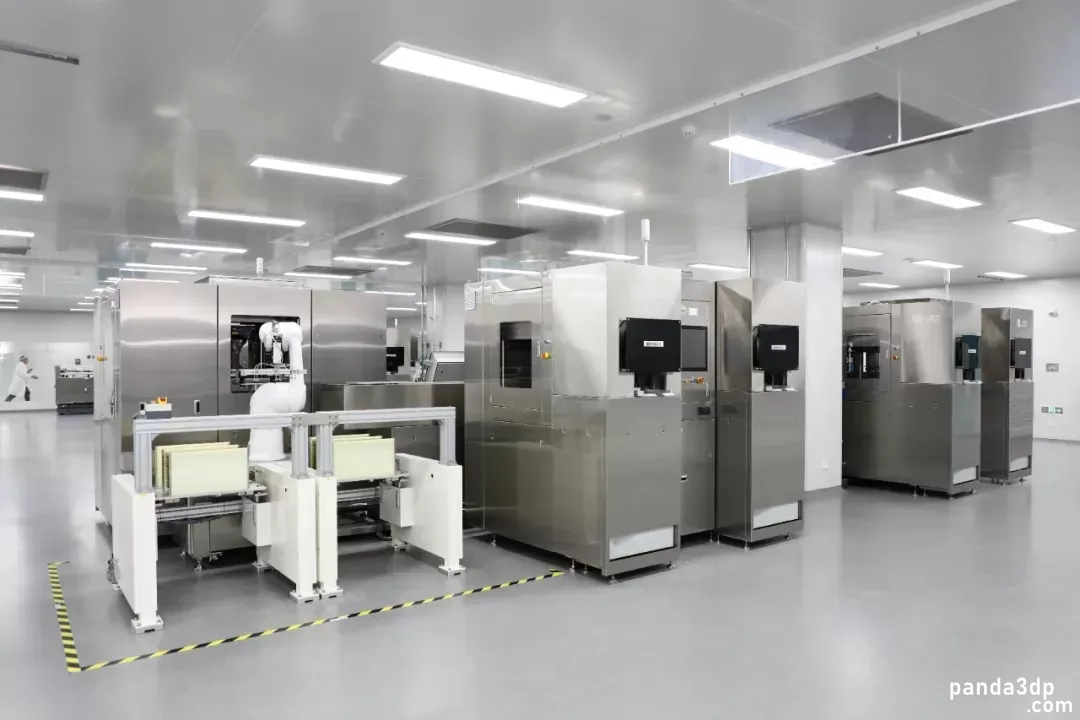
In September 2025, Triastek received China's first pharmaceutical manufacturing license for production using 3D printing from the Jiangsu drug regulator. The source describes it as the only Chinese company holding this license and the second company worldwide to industrialize printed medicines. It is also described as the only Chinese pharmaceutical company selected for the US FDA Emerging Technology Program. Regulatory qualifications and commercialization capabilities are essential requirements for multinational partners.
Third: tangible pipeline progress
The source describes Triastek as having the world's largest number of 3D printed drugs authorized for clinical trials. Five products—D23, T20G, T24, T25 and T26—have received clinical trial approvals. D23, a delayed-release budesonide tablet for primary immunoglobulin A nephropathy (IgAN), has completed patient enrollment in Phase II. T25, an octreotide acetate tablet, is its first oral peptide product to enter clinical development and has received investigational approvals in China and the United States.
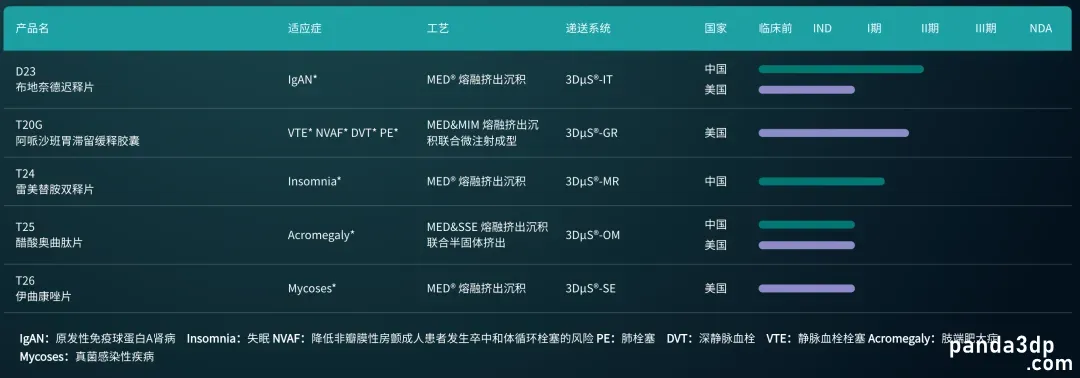
Triastek's pipeline. Source: Triastek website.
What does the collaboration mean?
Nanjixiong considers its significance at three levels.
First, it marks a move from technology validation to new drug development. Earlier partnerships with Eli Lilly, Merck, Boehringer Ingelheim and BioNTech focused more on technology exploration and platform validation. The Johnson & Johnson agreement explicitly targets joint development of new oral drugs, suggesting printing is moving from a supporting tool toward a core element of drug development.
Second, the equity investment increases confidence. Triastek and Aprecia Pharmaceuticals are among the relatively few companies advancing printed medicines into clinical stages. JJDC's investment supports both Triastek and the broader technology approach. A major global pharmaceutical company's capital commitment can increase investor attention to the field.
Third, oral peptides are a particularly promising direction. According to 360iResearch, the global oral peptide drug market was valued at approximately $4.84 billion in 2025, is expected to reach $5.2 billion in 2026 and could reach $7.69 billion in 2032. Gastrointestinal degradation and low mucosal permeability have kept many peptide drugs dependent on injections. If Triastek's 3DμS-OM platform clinically demonstrates the feasibility and advantages of oral delivery, the opportunity could extend well beyond conventional small-molecule drug improvements.
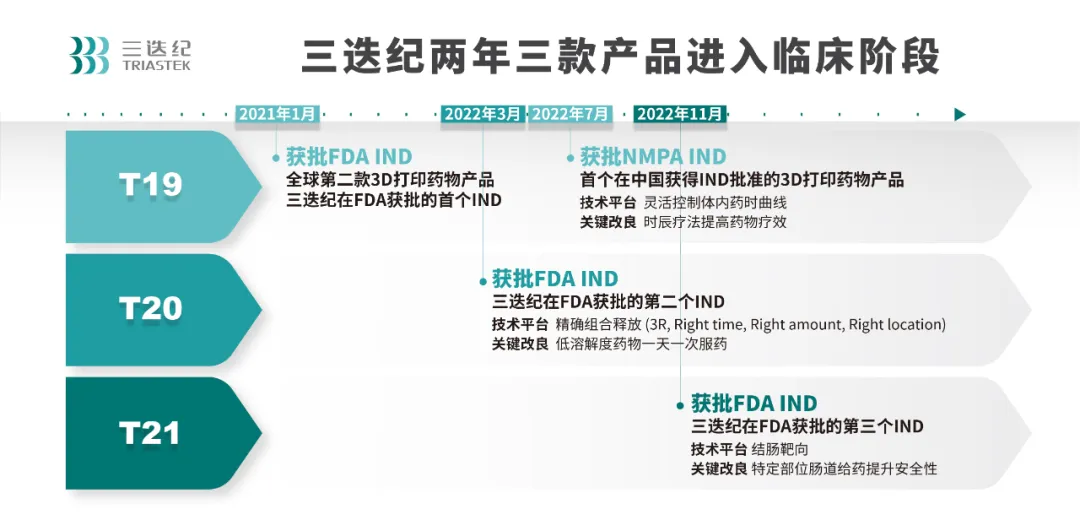
Triastek's multinational pharmaceutical partnerships
The agreement further expands its international collaborations:
• July 2022: Research collaboration with Eli Lilly to use printing for programmed gastrointestinal release of oral medicines.
• Subsequently: Technology development partnerships with Merck, Boehringer Ingelheim, BioNTech and other multinational companies.
• July 2026: A strategic financing round involving Minjintou, Lingang Digital Technology and Hangzhou Industrial Investment Group, supporting the Shanghai international R&D and production center, oral peptide clinical development and international business.
• September 2026: D23 completed Phase II enrollment, and T25 received clinical trial authorization in China and the United States.
Its network now includes multiple leading pharmaceutical companies. Such a concentration of multinational collaborations within a short period is unusual for a Chinese platform in printed pharmaceuticals.
Nanjixiong's observation: an industrialization turning point
The sector has faced mixed expectations. Its flexibility in early clinical work and small trials is recognized, while commercialization and cost control have remained concerns. Triastek's manufacturing license and Johnson & Johnson's investment are gradually addressing those doubts.
Three signals deserve attention:
First, competition is shifting from technology leadership to delivered products. Five clinical programs, a large number of authorized trials and commercial capacity of 300 million tablets annually provide an industrial foundation.
Second, partnerships are deepening from validation studies into joint development and equity investment. Greater pharmaceutical involvement increases confidence in the technology route.
Third, oral peptides could become the field's first major application. If T25 and related products establish clinical feasibility, the opportunity could extend substantially beyond reformulation of conventional small molecules.
From its production base in Nanjing's Jiangning District to this joint development agreement, Triastek is turning a technology concept into an industrial route capable of producing new medicines. Clinical data over the next two to three years will help determine whether that route succeeds. Nanjixiong will continue following developments.
AI-translated from an article by Xiaoruanxiong on Nanjixiong, originally published on 2026-10-09. Text and images retain the original source attribution.
Read the original Chinese article |


 Record number | ©2024 panda3dp Team. Powered by panda3dp